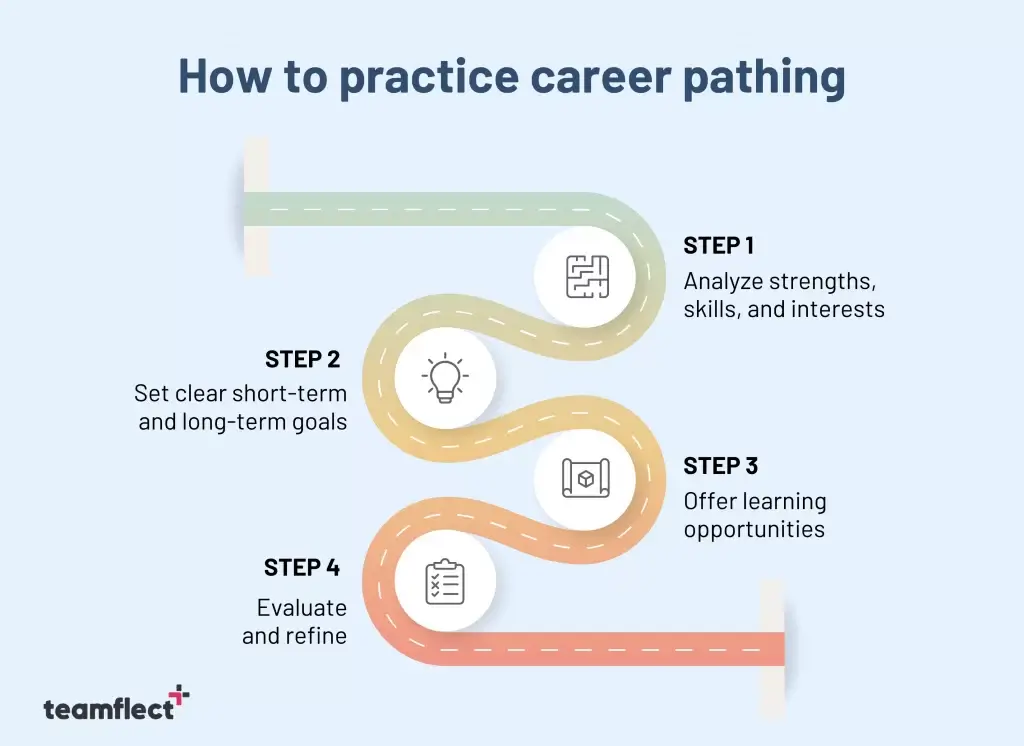
Introduction: Why Strategic Career Planning Matters More Than Ever
The modern job market is changing faster than ever before. Automation, artificial intelligence, remote work, and global competition have transformed how careers are built and sustained. Traditional “get a degree and stay in one job” thinking no longer guarantees stability or growth. In this environment, strategic career planning has become essential for long-term professional success.
Many professionals still make short-term job decisions based on salary, convenience, or pressure, without considering where those choices will lead in five or ten years. Strategic career planning shifts the focus from reacting to opportunities to intentionally designing a career path aligned with your skills, values, and future market demand.
In this article, you’ll learn a step-by-step strategic career planning framework that helps you gain clarity, build future-ready skills, and take control of your professional growth—no matter your career stage.
What Is Strategic Career Planning?
Strategic career planning is a long-term, structured approach to managing your professional life. It involves understanding yourself, setting clear career goals, researching industry trends, and continuously adapting to change.
Unlike traditional career planning—which often focuses on the next job—strategic career planning looks at the bigger picture: where you want to be in the long run and how each step contributes to that vision.
Key Benefits of Strategic Career Planning
Clear career direction and purpose
Better decision-making during job changes
Continuous skill development
Higher job satisfaction and confidence
Increased adaptability in uncertain markets
A strategic approach ensures that your career grows with the market, not against it.
Step 1: Self-Assessment – Know Yourself Before Planning
Every successful career plan begins with self-awareness. Without understanding your strengths, weaknesses, interests, and values, even the best opportunities may lead to dissatisfaction.
Identify Strengths, Weaknesses, Interests, and Values
Ask yourself:
What tasks energize me?
What skills do I naturally excel at?
What work values matter most—stability, creativity, impact, income, or flexibility?
Conduct a Skills Audit
Divide your skills into:
Technical skills: job-specific abilities like coding, data analysis, design, finance, or language proficiency
Soft skills: communication, leadership, problem-solving, adaptability, and emotional intelligence
Both are critical for long-term career success.
Use Self-Assessment Tools
Effective tools include:
SWOT analysis (Strengths, Weaknesses, Opportunities, Threats)
Personality tests (MBTI, Big Five)
Feedback from mentors, managers, and peers
This clarity forms the foundation of strategic career planning.
Step 2: Define Clear Long-Term Career Goals
Once you understand yourself, the next step is goal setting. Clear goals give direction and motivation.
Set SMART Career Goals
Ensure your goals are:
Specific
Measurable
Achievable
Relevant
Time-bound
For example, instead of “I want to grow,” set a goal like:
“Become a senior digital marketing manager within five years.”
Create Career Milestones
Break goals into:
Short-term (1 year): skill acquisition, certifications
Mid-term (3 years): role progression, leadership exposure
Long-term (5–10 years): senior roles, entrepreneurship, specialization
Align Goals with Personal Values
Career success feels empty if it conflicts with personal values. Aligning your aspirations with what truly matters ensures long-term fulfillment.
Step 3: Research Industry Trends & Career Opportunities
Strategic career planning requires market awareness. A role in demand today may become obsolete tomorrow.
Understand Market Demand and Future Skills
Study:
Industry reports
Job portals and hiring trends
Skill demand forecasts
Role of AI, Automation, and Digital Transformation
AI and automation are reshaping almost every industry. Professionals who adapt by learning digital and analytical skills gain a competitive advantage.
Choose Growth-Oriented Industries
Examples include:
Technology and AI
Healthcare and wellness
Renewable energy
Data analytics
Digital marketing and e-commerce
Selecting future-ready fields strengthens long-term career stability.
Step 4: Skill Gap Analysis & Continuous Learning Plan
Identifying where you stand versus where you want to be is critical.
Identify Skill Gaps
Compare:
Current skills
Skills required for your target role
This reveals areas for improvement.
Upskilling and Reskilling
Focus on:
Technical certifications
Soft skill development
Cross-functional knowledge
Learning Resources
Effective options include:
Online courses
Workshops and webinars
Mentorship and coaching
Hands-on projects and internships
Continuous learning keeps your career future-proof.
Step 5: Build a Strong Personal Brand & Professional Network
Your skills matter, but visibility and relationships matter just as much.
Importance of Networking
Networking opens doors to:
Job opportunities
Industry insights
Mentorship and guidance
Optimize LinkedIn and Online Presence
Create a keyword-optimized LinkedIn profile
Share industry insights and achievements
Build credibility through consistency
Build Strategic Connections
Join:
Industry communities
Professional associations
Networking events and forums
A strong personal brand supports long-term professional success.
Step 6: Create an Actionable Career Roadmap
Vision without action leads nowhere.
Break Goals into Action Steps
Convert goals into weekly or monthly tasks:
Skill learning schedules
Networking targets
Project milestones
Set Timelines and Resources
Define:
Time commitments
Financial investments
Support systems
Track Progress and Stay Accountable
Regular tracking helps maintain discipline and motivation.
Step 7: Review, Adapt & Future-Proof Your Career Plan
No career plan should be rigid.
Conduct Regular Career Reviews
Review your plan every 6–12 months to assess:
Progress
Skill relevance
Market changes
Adapt to Change
Unexpected opportunities often lead to growth. Strategic planners remain flexible without losing direction.
Build Career Resilience
Develop transferable skills, emotional resilience, and adaptability to thrive during uncertainty.
Common Challenges in Strategic Career Planning (and How to Overcome Them)
Lack of Clarity or Motivation
Start small. Clarity improves through action.
Fear of Change or Failure
View change as experimentation, not risk.
Balancing Stability with Growth
Plan transitions carefully while maintaining financial security.
Real-Life Examples of Strategic Career Planning Success
Early-Career Professional
A graduate identifies interest in data analytics, builds skills, earns certifications, and transitions into a high-growth role within three years.
Mid-Career Transition
A professional reskills from traditional marketing to digital strategy, leveraging networking and continuous learning.
Key Lessons
Planning beats luck
Skills compound over time
Adaptability drives long-term success
Conclusion: Take Control of Your Career with a Strategic Mindset
Strategic career planning empowers you to move from uncertainty to clarity. By following this step-by-step framework—self-assessment, goal setting, market research, skill development, networking, execution, and review—you can build a resilient, future-ready career.
Start today. Download a career planning worksheet, consult a mentor, or enroll in a skill-building program. Your long-term professional success begins with intentional action today.